Returning to Sport After Injury - How to Do It Safely
Getting back to training too soon is one of the most common mistakes after a sports injury. Here's how to return to sport the right way.
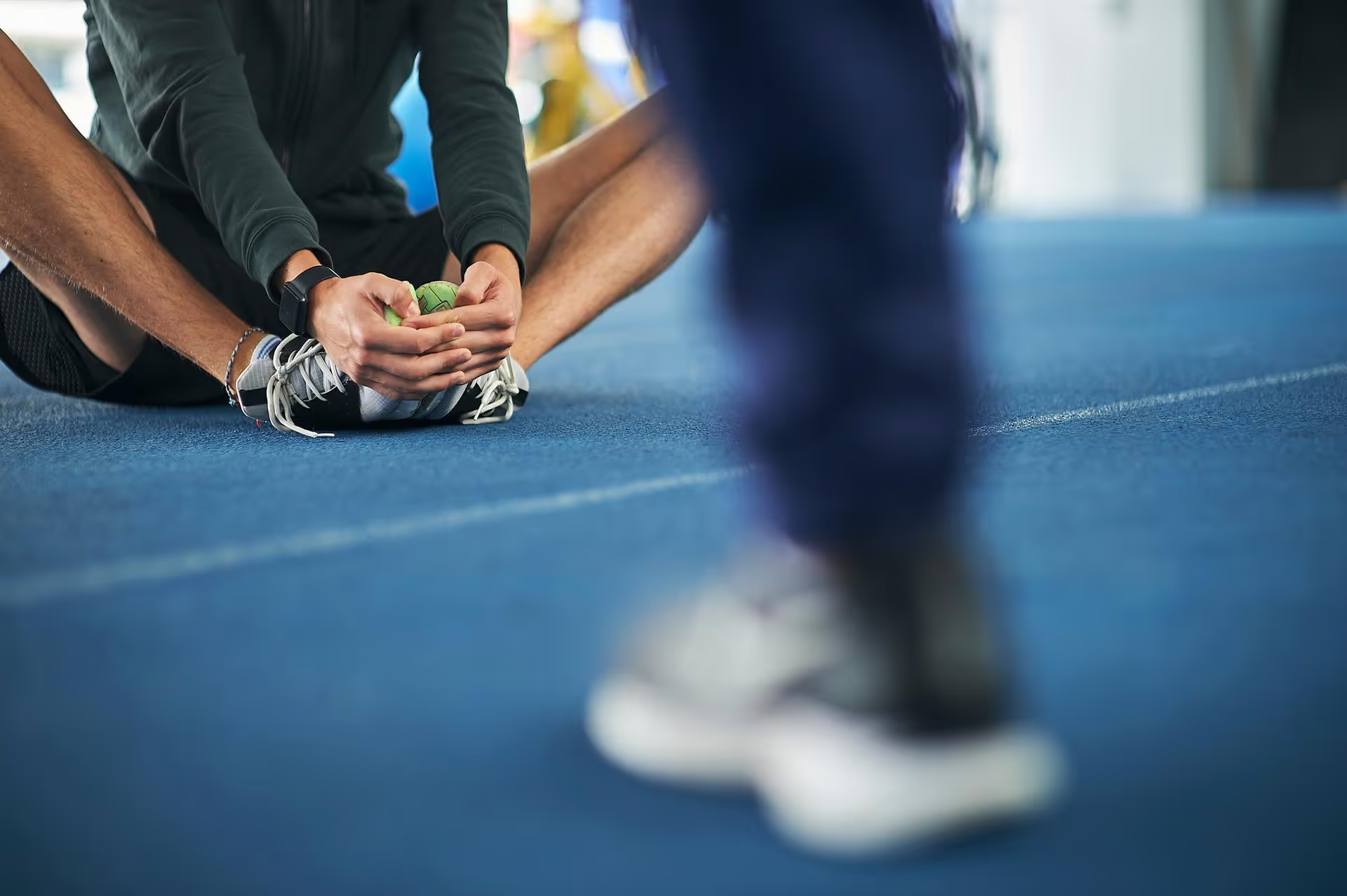
After an injury, the question of when to return to sport is one of the hardest to answer - and one of the most important. Come back too soon and you risk re-injury. Wait too long and you lose fitness, confidence, and momentum.
Getting it right requires more than just waiting until the pain is gone.
Why Pain Alone Isn't a Good Guide
Pain is a useful signal that something needs attention - but its absence doesn't mean your body is ready to perform. Tissue healing and functional recovery are different things. A muscle or ligament can feel fine during daily activities but still lack the strength, speed, and coordination needed for sport.
Athletes who return based on pain levels alone have significantly higher rates of re-injury than those who follow structured return-to-sport criteria.
What a Safe Return to Sport Actually Looks Like
A proper return-to-sport process is staged and progressive. It generally involves:
- Full range of motion - the injured area moves freely and symmetrically compared to the other side
- Strength benchmarks - typically at least 90% strength in the injured limb compared to the uninjured side for lower limb injuries
- Functional testing - single leg hops, change of direction, speed and agility drills specific to your sport
- Psychological readiness - confidence in the injured area under load is a genuinely important factor, particularly after significant injuries like ACL tears
These criteria vary depending on the injury, the sport, and the individual - but the principle is the same: objective readiness, not time or pain.
Common Injuries and What Return Looks Like
Different injuries have different timelines and criteria. Here are a few common ones:
- Ankle sprain - balance, strength, and change-of-direction testing before return to training
- Hamstring strain - sprint speed and strength symmetry testing before return to full training and competition
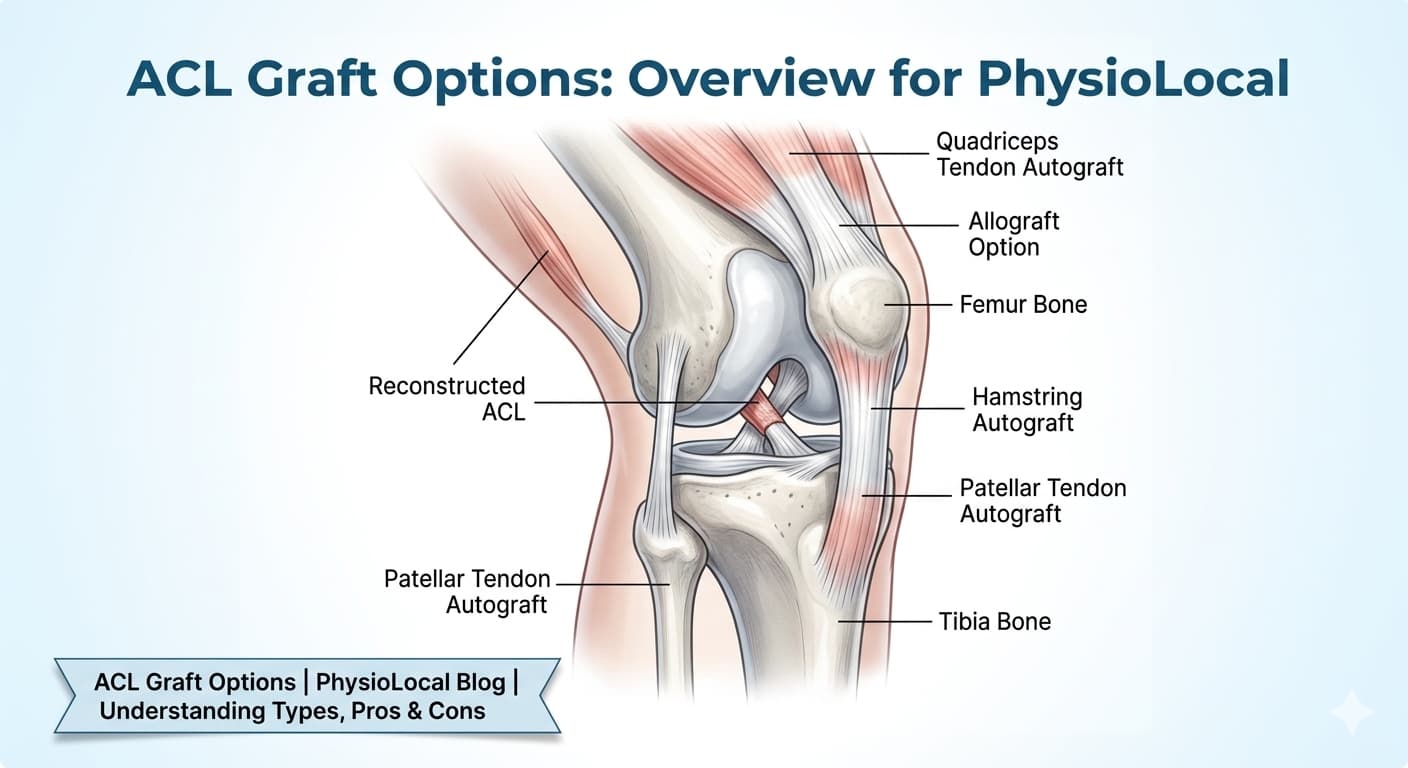
- ACL reconstruction - typically 9-12 months with extensive strength and functional testing before return to pivoting sport
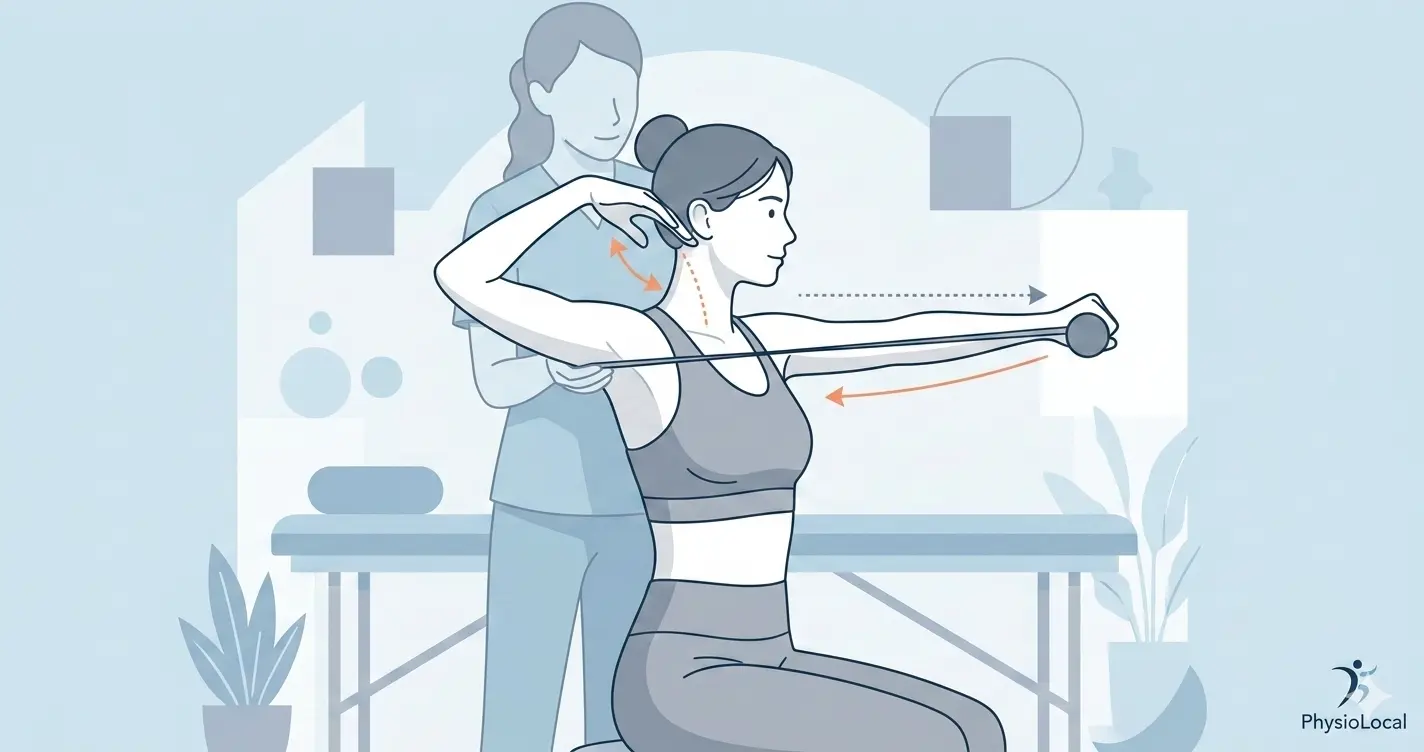
- Rotator cuff injury - full shoulder strength and overhead function restored before return to throwing or contact sport
The Role of Your Physio in Return to Sport
A sports physiotherapist doesn't just treat the injury - they manage the whole return process. This includes tracking your progress against objective criteria, progressing your training load appropriately, and making the call on when you're actually ready.
At Physio Local in Glenmore Park and Blaxland, our sports physio team uses sport-specific testing to guide every return-to-sport decision. We work with athletes from community sport through to elite level, and we take the same evidence-based approach regardless.
Don't Rush It
The temptation to get back quickly is completely understandable - especially when you're feeling better and watching your teammates train. But a few extra weeks of proper rehab is a far better investment than dealing with a re-injury that sets you back months.
If you're recovering from a sports injury and want a structured return-to-sport plan, book in with the team at Physio Local. We'll build a program that gets you back properly.
Explore More Posts You Might Like
%201.avif)



Start Your
Recovery Today
If pain or an injury is holding you back, we’re ready to help you take the next step.
Glenmore Park
114 The Lakes Drive, Glenmore Park NSW 2745
~5 min from Glenbrook
via Great Western Highway
Mon–Fri · 8:00 am – 5:30 pm


Blaxland
134C Great Western Highway, Blaxland NSW 2774
~5 min from Glenbrook
via Great Western Highway
Mon–Fri · 8:00 am – 7:00 pm