Knee Pain When Running - Common Causes and How to Fix It
Knee pain is one of the most common complaints for runners. The good news? Most causes are very manageable with the right approach.
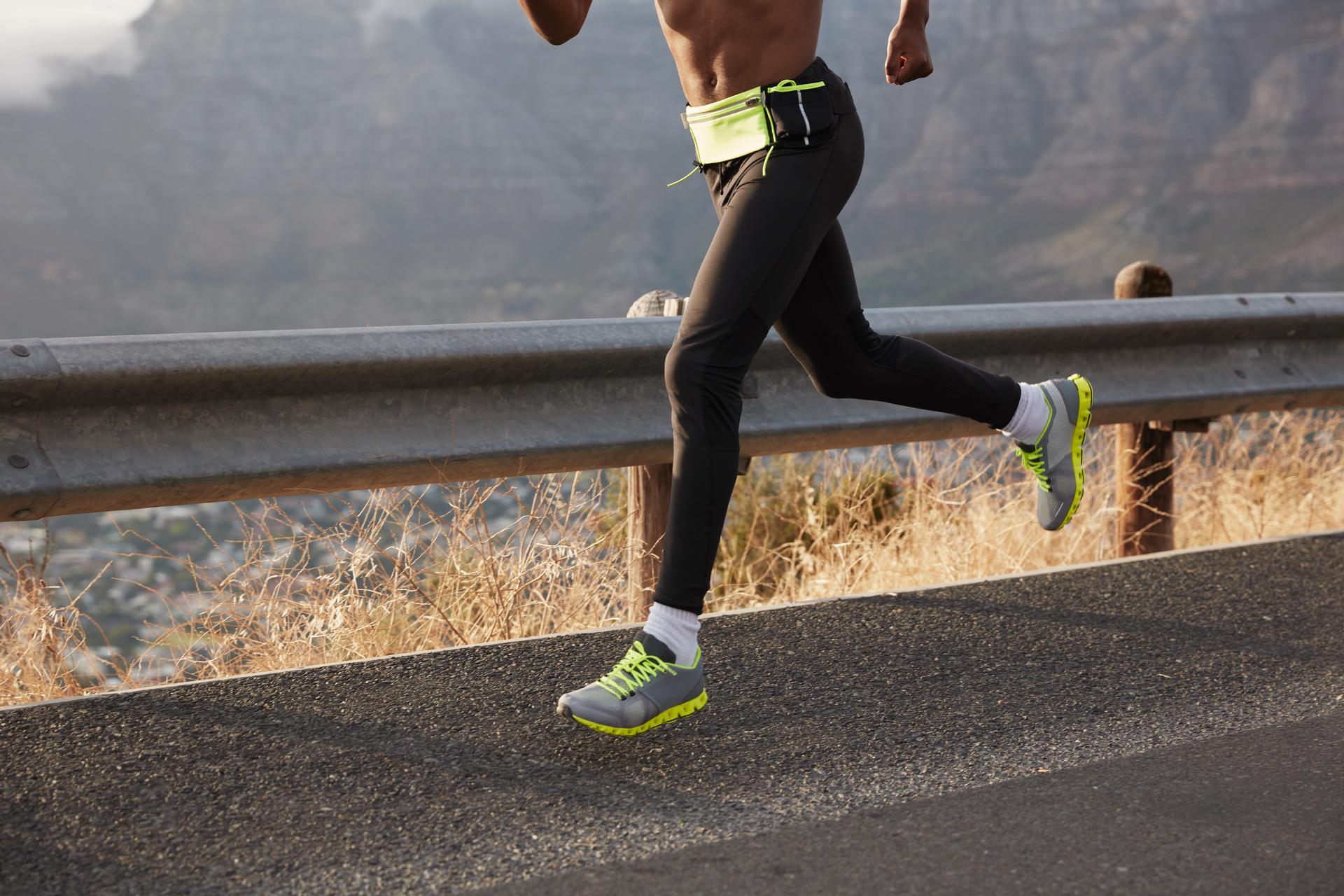
Knee pain is one of the most common issues that brings runners to see us. It can range from a dull ache that builds through a run to sharp pain that stops you in your tracks - and it can be frustrating, especially if running is a big part of your life.
The good news is that most running-related knee conditions respond well to the right treatment. Here's a breakdown of the common causes and what physio can do to help.
Patellofemoral Pain Syndrome (Runner's Knee)
This is probably the most common knee complaint in runners. It involves pain around or behind the kneecap, typically worse when running downhill, going down stairs, or after prolonged sitting.
The cause usually involves a combination of hip weakness, poor patellar tracking, and training load - rather than any structural damage to the knee. Treatment focuses on strengthening the hip and quad muscles, improving movement mechanics, and managing load.
Iliotibial Band (ITB) Syndrome
ITB syndrome causes pain on the outer side of the knee, often starting around 15-20 minutes into a run. It's particularly common in runners who've recently increased their mileage or changed their running surface.
Treatment involves reducing the load on the ITB, releasing tension in the hip and lateral thigh muscles, and addressing any contributing biomechanical factors like hip strength and foot strike pattern.
Patellar Tendinopathy
Pain at the front of the knee, just below the kneecap, is often patellar tendinopathy - particularly in runners who do a lot of hill work or high-volume training. This is a tendon loading issue and responds well to a progressive tendon loading program under the guidance of a physio.
Meniscus Irritation
The menisci are cartilage pads inside the knee that absorb load and provide stability. Repetitive running can irritate the meniscus, particularly if your running form or footwear isn't ideal. Symptoms include pain with twisting movements and sometimes swelling after activity.
What Running-Related Knee Pain Usually Isn't
One important point: knee pain in runners is usually not a sign of serious structural damage. Most running-related knee conditions are load management and strength issues - not wear-and-tear that signals the end of your running days. Getting assessed early avoids unnecessary imaging and lets you focus on actually fixing the problem.
What Physio Can Do
At Physio Local in Glenmore Park, we see a lot of runners. Our approach to knee pain typically includes:
- A thorough assessment of movement, strength, and training history
- Identifying the specific cause of your pain - not just treating symptoms
- A graduated running and strengthening program
- Load management guidance to keep you running where possible
- Gait analysis and running retraining where relevant
If knee pain is getting in the way of your running, book in with the team at Physio Local. We'll work out what's going on and get you back on the road.
Explore More Posts You Might Like
%201.avif)




Start Your
Recovery Today
If pain or an injury is holding you back, we’re ready to help you take the next step.
Glenmore Park
114 The Lakes Drive, Glenmore Park NSW 2745
~5 min from Glenbrook
via Great Western Highway
Mon–Fri · 8:00 am – 5:30 pm


Blaxland
134C Great Western Highway, Blaxland NSW 2774
~5 min from Glenbrook
via Great Western Highway
Mon–Fri · 8:00 am – 7:00 pm