Is Exercise Physiology the Same as Physiotherapy?
People often confuse exercise physiology and physiotherapy. They're different - and understanding the difference helps you get the right care.

Exercise physiology and physiotherapy are often mentioned in the same breath - both involve movement, rehabilitation, and improving physical function. But they're distinct professions with different training, focus areas, and clinical roles.
Understanding the difference helps you make better decisions about your care.
What Is Physiotherapy?
Physiotherapists are university-trained clinicians who assess and treat conditions affecting the muscles, joints, nerves, and movement system. Their scope is broad - from acute injury management and post-surgical rehabilitation through to chronic pain, women's health, and neurological conditions.
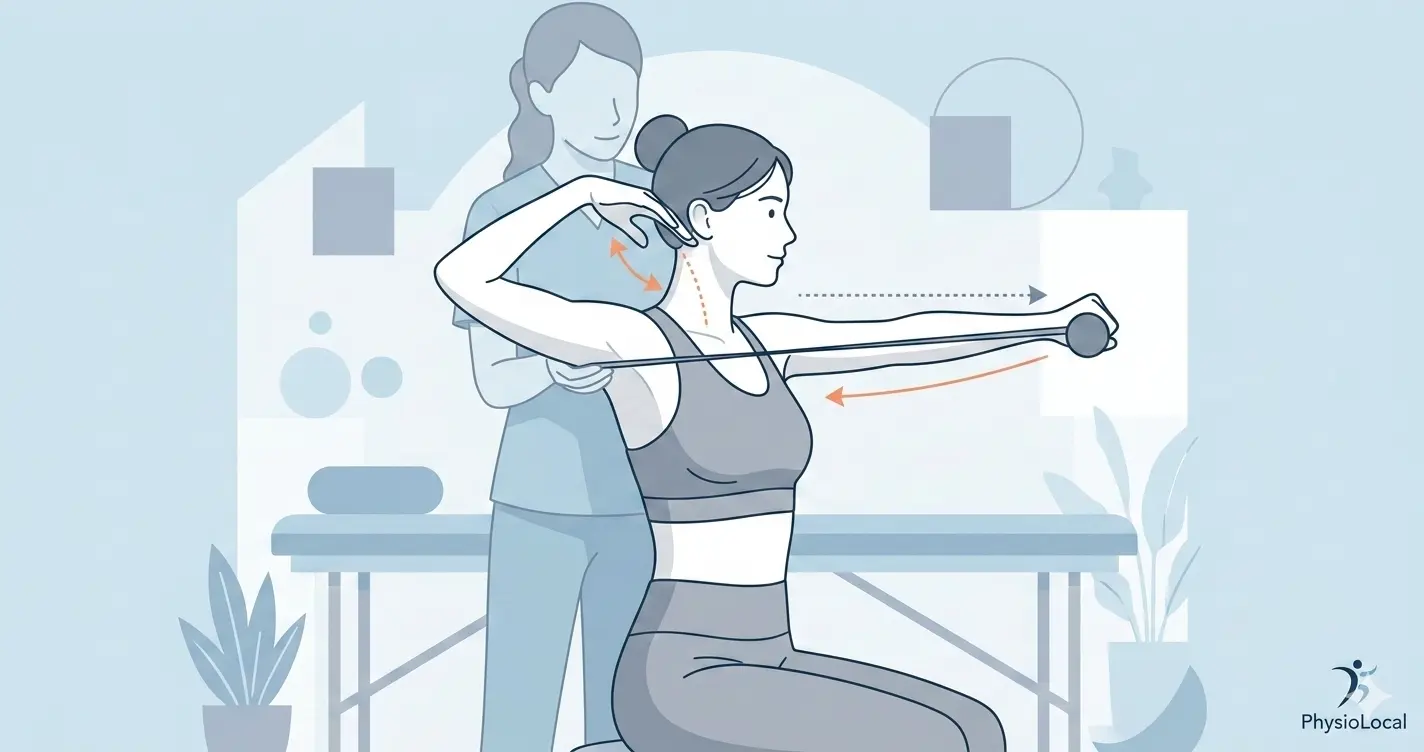
Physiotherapy tends to involve a mix of hands-on treatment (manual therapy, dry needling, soft tissue work) combined with exercise prescription and education. It's often the first point of contact after an injury or new diagnosis.
What Is Exercise Physiology?
Accredited Exercise Physiologists (AEPs) are university-trained allied health professionals who specialise in using exercise as a therapeutic tool. Their focus is primarily on chronic conditions, long-term health management, and improving physical capacity over time.
Where a physiotherapist might manage the early stages of a condition and get you moving again, an exercise physiologist typically takes over when the focus shifts to building fitness, managing chronic disease, or achieving longer-term health goals.
When Would You See a Physiotherapist?
- After an acute injury - sprain, strain, fracture, or surgery
- For chronic pain that hasn't responded to other treatment
- For hands-on treatment of joint, muscle, or nerve conditions
- During pregnancy or postnatal recovery
- For return-to-sport rehabilitation
When Would You See an Exercise Physiologist?
- Managing a chronic condition such as diabetes, heart disease, osteoporosis, or arthritis
- NDIS-funded programs focused on building capacity and independence
- Long-term strength and conditioning following injury rehabilitation
- Mental health support through structured exercise programs
- Cancer rehabilitation or cardiac rehabilitation programs
Can You See Both?
Yes - and often this is the best approach. At Physio Local in Glenmore Park and Blaxland, our physiotherapists and exercise physiologists work under the same roof and collaborate closely. A client might start with physiotherapy after an injury, then transition to exercise physiology to build strength, manage a chronic condition, or work toward longer-term performance goals.
Having both disciplines available means your care is continuous and coordinated - there's no gap between getting better and staying better.
Not Sure Which One You Need?
That's completely fine. If you book with Physio Local and you're not sure which service is most appropriate, our team will point you in the right direction. Book an appointment and we'll make sure you're in the right hands from the start.
Explore More Posts You Might Like
%201.avif)






Start Your
Recovery Today
If pain or an injury is holding you back, we’re ready to help you take the next step.
Glenmore Park
114 The Lakes Drive, Glenmore Park NSW 2745
~5 min from Glenbrook
via Great Western Highway
Mon–Fri · 8:00 am – 5:30 pm


Blaxland
134C Great Western Highway, Blaxland NSW 2774
~5 min from Glenbrook
via Great Western Highway
Mon–Fri · 8:00 am – 7:00 pm